








 86-135-3333-8492
How to Design Your Own Rose Garden: 5 Essential Secrets for a Beautiful Small Rose Garden
Designing a rose garden at home is a dream for many plant lovers, but creating a balanced, healthy, and visually stunning space requires thoughtful planning. Whether you have a compact backyard or a small corner beside your house, a well-designed rose garden can bring joy year-round. Here are five practical secrets to help you build a thriving and elegant small rose garden.
1. Maintain Surrounding Plants at One-Third of the Rose Height
One of the core principles of designing a successful rose garden is ensuring your roses receive plenty of sunlight. Always keep the surrounding plants at no more than one-third of the rose’s height. This prevents companion plants from blocking essential sunlight and ensures that the airflow remains healthy around the rose bushes.
Interestingly, when roses are in full leaf, the area underneath naturally becomes shaded. When roses drop their leaves in winter, that same area becomes bright again. This makes it ideal to plant shade-tolerant and sun-tolerant companions such as Hellebores (Christmas Roses). From winter to early March, the base of the rose bush receives ample light—perfect for small bulbs like snowdrops or grape hyacinths, which bloom adorably in early spring and add charm to your rose garden.


2. Choose Plants with Low Foliage and Tall Flower Spikes
For a harmonious rose garden, select companion plants that keep their foliage low while sending up tall flower spikes. Plants such as foxgloves and delphiniums form foliage rosettes in early spring and later develop tall, elegant stalks that rise above the ground without shading your roses.
Other excellent choices include mullein, salvias, and nepeta (catmint)—all of which have low basal leaves and high flower spikes. These plants add vertical interest without blocking sunlight from your roses, keeping your rose garden healthy and visually layered.
3. Match Bright Colors with Bright Colors, Soft Tones with Soft Tones
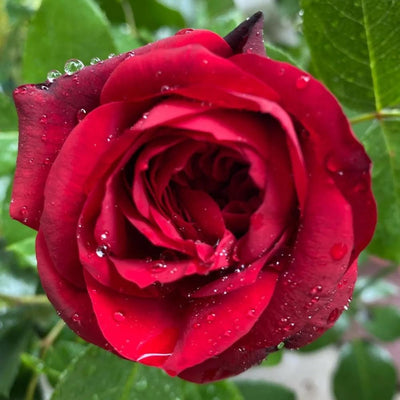
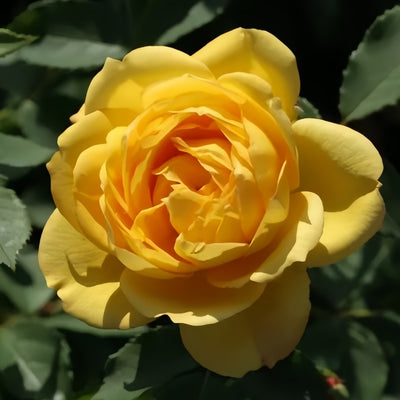
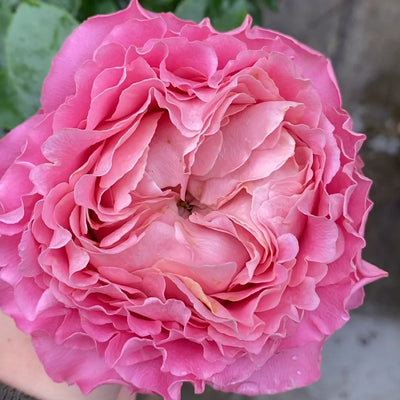
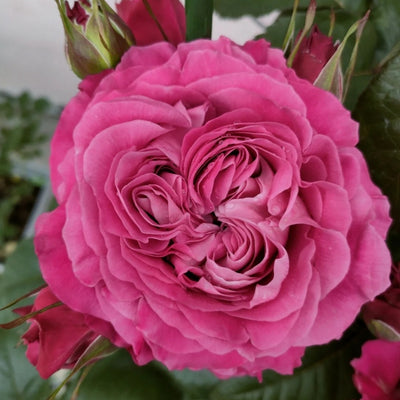
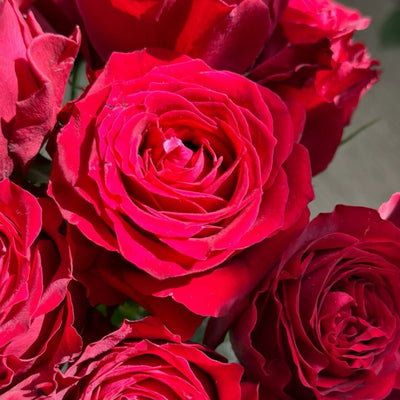
Color coordination is a powerful tool when designing a rose garden. Vibrant roses with bold, textured petals pair beautifully with equally strong and vivid flowers that share a similar brightness and richness.
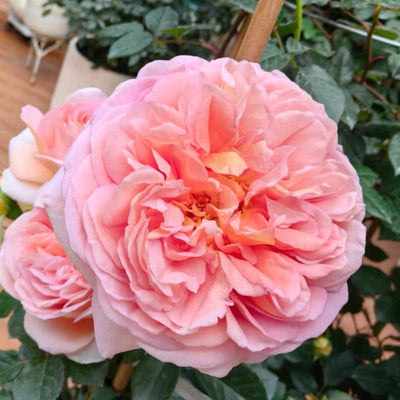
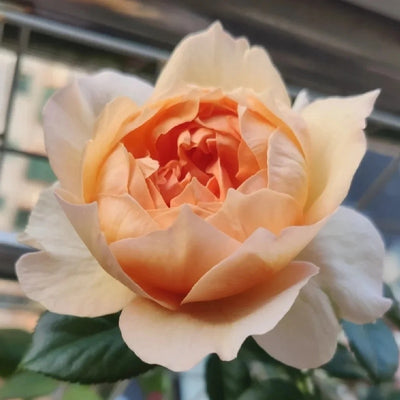
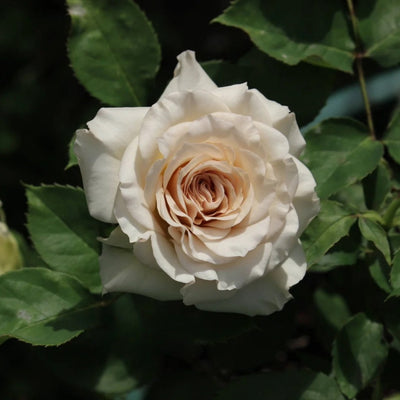
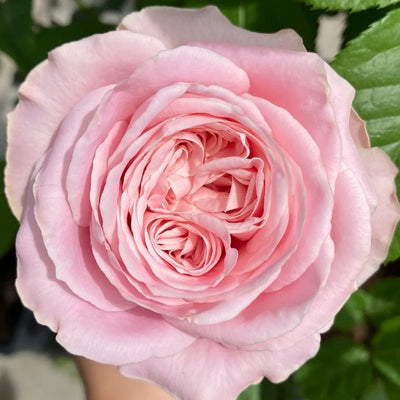
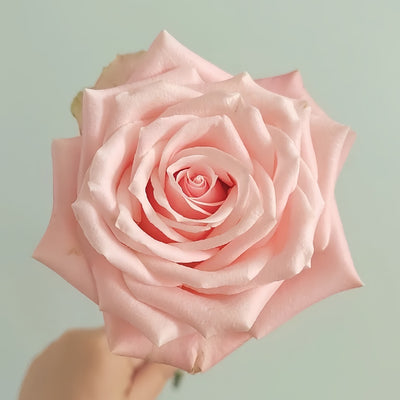
Likewise, roses in softer, delicate pastel tones look best when matched with plants that have similar gentle textures and hues. For a natural effect, plant flowers with different leaf shapes and sizes next to each other. This contrast creates movement and depth, giving your rose garden a more organic, effortless appearance while keeping the overall color harmony pleasant to the eye.

4. Use Groundcovers to Brighten the Garden
Groundcovers play a surprisingly important role in a rose garden, especially in small spaces. Many groundcover plants produce romantic and abundant spring blooms, such as:
- Phlox subulata
- Verbena
- Ajuga (Bugleweed)
Planting groundcovers at the base of your roses can instantly brighten the appearance of your garden and soften the transition between soil and stems. For newly planted roses or varieties that are not yet vigorous, light-colored groundcovers can help create a softer, more unified visual effect that makes the whole rose garden look well cared for.
Recommended groundcovers for a small rose garden include:
- Golden creeping Jenny
- Phlox
- New Zealand Lobelia
- Variegated Trachelospermum
- Evening primrose
- Verbena tenuisecta
- Saxifraga
5. Plant Bulbs Under Groundcovers for Seasonal Layers
To enjoy waves of color throughout the year, plant bulb flowers underneath your groundcovers during autumn. This technique adds seasonal layers and transforms your rose garden into a blooming paradise across multiple months.
- Early-spring purple dwarf irises
- Various species tulips in spring
- Charming fritillarias
- Autumn-blooming nerines in white or pink
Final Thoughts
Creating your own rose garden does not require a large space—just thoughtful plant selection, good sunlight planning, and creative layering. With these five expert tips, you can design a rose garden that blooms continuously, harmonizes with companion plants, and elevates the beauty of your entire outdoor space. Start small, experiment with color and texture, and soon your rose garden will become your favorite sanctuary.