








 86-135-3333-8492
A Tribute to David Austin: The Legacy of David Austin Roses (1958–2026)
Remembering David J. C. Austin — A Life Devoted to Roses, Beauty, and the Art of Gardening.

The world of roses has lost a remarkable figure.
David J. C. Austin (1958–2026), chairman of the renowned family business David Austin Roses, passed away in July 2026 at his home in Shropshire, England, surrounded by his family.
He had been diagnosed with Creutzfeldt-Jakob disease (CJD), a rare and rapidly progressive neurological condition.
His passing marks a deeply emotional moment for the global gardening community. For more than three decades, David J. C. Austin helped carry forward one of the most influential legacies in modern rose breeding.
Yet his story is about far more than a successful family business.
It is a story of passion, patience, craftsmanship, and a family's extraordinary devotion to one of the world's most beloved flowers.
Some people leave behind monuments. Others leave behind gardens that continue to bloom.
1. Remembering David J. C. Austin (1958–2026)
Born in 1958, David J. C. Austin grew up surrounded by the beauty of roses and the dedication of his father, David C. H. Austin (1926–2018).
In 1990, he joined the family rose-growing business in Albrighton, Shropshire, at a time when his father's English Roses were gaining international recognition.
Over the following decades, he helped transform the specialist nursery into a globally recognized horticultural business.
Under his leadership, David Austin Roses expanded its international presence while remaining committed to the principles that had defined the family from the beginning: exceptional flower beauty, memorable fragrance, and the enduring pleasure of gardening.
His work helped introduce the distinctive charm of English Roses to countless gardeners, florists, and rose enthusiasts around the world.
Following his passing, tributes from the horticultural community reflected the profound impact of his life's work.
Renowned British gardener and television presenter Monty Don honored his legacy, recognizing the millions of beautiful roses that would continue to enrich gardens and lives for generations.
Perhaps the most meaningful tribute is found in the roses themselves — blooming quietly in gardens across the world.
2. The Beginning of David Austin Roses
To understand the legacy of David J. C. Austin, we must first return to the vision of his father, David Charles Henry Austin.
Born in 1926 in Shropshire, England, the elder David Austin became one of the most influential rose breeders of the twentieth century.
During the middle of the century, modern rose gardens were largely dominated by Hybrid Tea and Floribunda roses.
These varieties offered valuable qualities, including vibrant colors and repeat flowering.
However, David Austin was particularly captivated by the romantic beauty of Old Garden Roses.
He admired their full, softly rounded flowers, intricate petal arrangements, and rich, traditional fragrances.
Many old roses, however, flowered only once during the growing season.
David Austin believed gardeners should not have to choose between the beauty of old roses and the flowering performance of modern varieties.
His ambition was to combine the best characteristics of both.
This vision eventually gave rise to the extraordinary group of roses now celebrated around the world as David Austin English Roses.
3. How David Austin Roses Changed Modern Rose Breeding
The influence of David Austin Roses extends far beyond the introduction of individual varieties.
The Austin family's work helped reshape the way gardeners appreciate rose form, fragrance, and seasonal performance.
The Return of Romantic, Old-Fashioned Flower Shapes
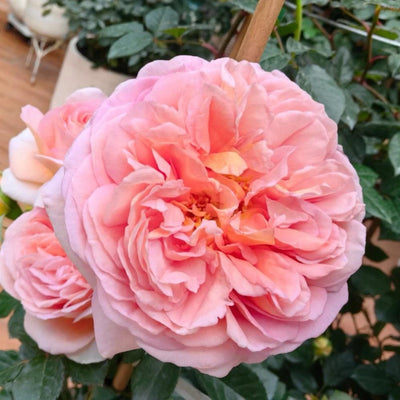
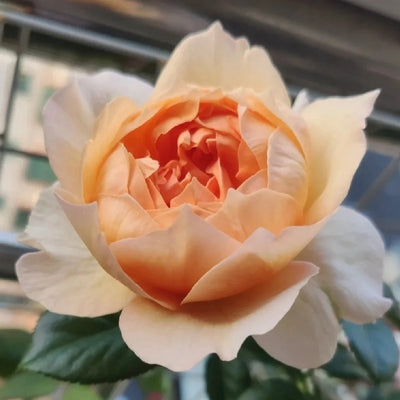
One of the defining characteristics of English Roses is their distinctive flower structure.
Rather than focusing exclusively on the pointed, high-centered blooms traditionally associated with Hybrid Tea roses, David Austin emphasized the graceful forms of historic garden roses.
These include:
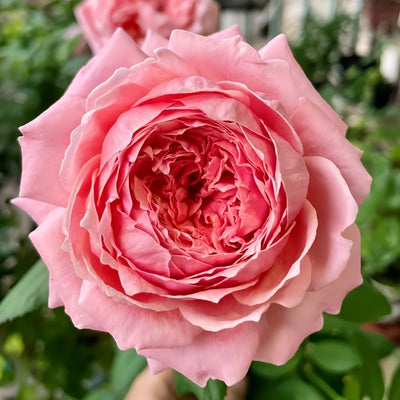
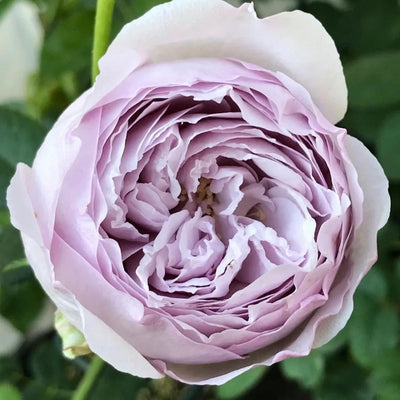
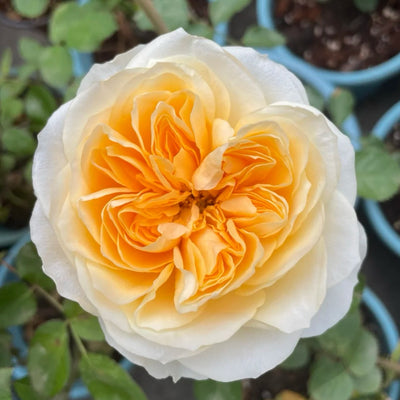
- Cupped Blooms: Rounded flowers with petals forming a soft, elegant cup.
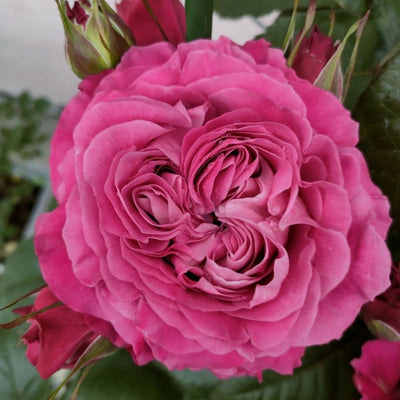
- Rosette-Shaped Flowers: Full blooms featuring numerous overlapping petals arranged in intricate patterns.
- Quartered Roses: Flowers whose petals form several distinct sections around the center.
- Deeply Petaled Blooms: Richly layered flowers that create a luxurious, romantic appearance.
Some English Rose varieties contain dozens of petals, while others develop exceptionally full flowers with more than one hundred petals.
As these roses open, their appearance changes gradually, revealing new layers of color, texture, and form.
The result is a style of rose that often resembles a classical oil painting — soft, expressive, and timeless.
Combining Old Rose Beauty with Repeat Flowering
Another major achievement of David Austin's breeding philosophy was the combination of old-fashioned flower forms with the repeat-flowering characteristics of modern roses.
Many historic roses produce one spectacular display each year.
By contrast, numerous modern English Rose varieties can flower repeatedly during the growing season.
Depending on the variety and local climate, gardeners may enjoy successive flushes of flowers from spring through autumn.
This combination transformed the possibilities of traditional rose gardening.
Gardeners could now enjoy the romance of old-fashioned roses without necessarily sacrificing the pleasure of repeat blooms.
Bringing Fragrance Back to the Garden
Perhaps one of the most beloved qualities of David Austin Roses is their remarkable fragrance.
For David Austin, scent was never simply an optional characteristic.
It was an essential part of the emotional experience of growing roses.
The breeding program placed great importance on selecting roses with distinctive and appealing fragrances.
Today, English Roses are celebrated for a wide range of scent profiles.
- Old Rose Fragrance: The classic, rich perfume associated with traditional garden roses.
- Myrrh Fragrance: A distinctive aromatic scent often described as sweet, herbal, or reminiscent of anise.
- Fruity Fragrance: Notes that may suggest apples, pears, citrus, peaches, or other fruits.
- Tea Fragrance: A warm, delicate scent associated with certain traditional and modern rose varieties.
- Complex Blended Fragrances: Combinations of floral, fruity, sweet, and aromatic notes.
The diversity of these fragrances has helped make English Roses especially treasured by gardeners who believe a beautiful rose should appeal to more than just the eyes.
4. From a Family Nursery to a Worldwide Rose Legacy
The history of David Austin Roses is also a remarkable story of family dedication.
In 1961, David C. H. Austin introduced Constance Spry, one of the earliest and most important roses in the development of his English Rose breeding program.
Although Constance Spry flowers only once per season, its beautiful old-fashioned blooms helped establish the distinctive style that would later define English Roses.
In 1969, David Austin established his rose nursery in Albrighton, Shropshire.
Over the following decades, the nursery gradually became internationally recognized for its distinctive roses.
When David J. C. Austin joined the business in 1990, he helped guide its continued expansion.
Together, father and son strengthened the international reputation of English Roses and developed new opportunities for garden roses and cut roses.
Their shared dedication helped bring the beauty of English Roses to gardeners and flower lovers far beyond the English countryside.
Today, the Austin family's influence can be seen in rose gardens, public landscapes, private collections, and floral arrangements around the world.
5. The Timeless Beauty of David Austin Rose Varieties
Over the years, the David Austin breeding program has introduced numerous English Rose varieties admired for their distinctive beauty and fragrance.
Several have become particularly well known among rose enthusiasts.
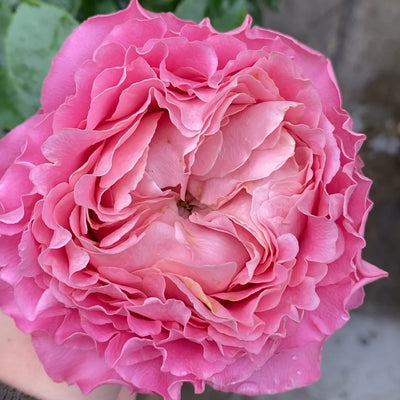
Gertrude Jekyll
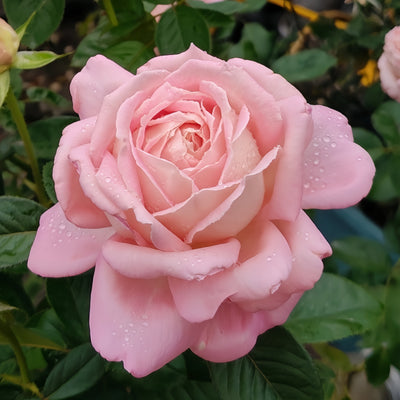
Celebrated for its rich pink blooms and powerful Old Rose fragrance, Gertrude Jekyll is one of the most recognizable English Roses.
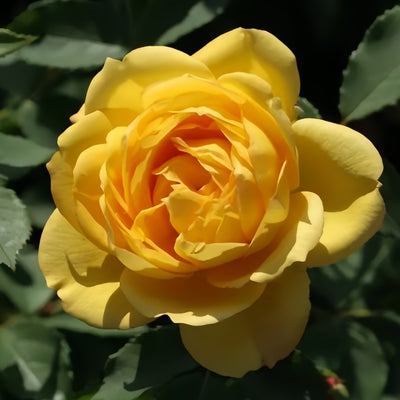
Graham Thomas
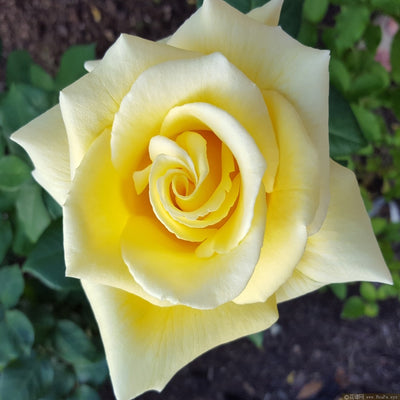
Known for its warm yellow flowers and graceful growth, Graham Thomas helped establish the international reputation of English Roses.
Constance Spry
An important early introduction, Constance Spry is admired for its large, romantic pink flowers and distinctive fragrance.
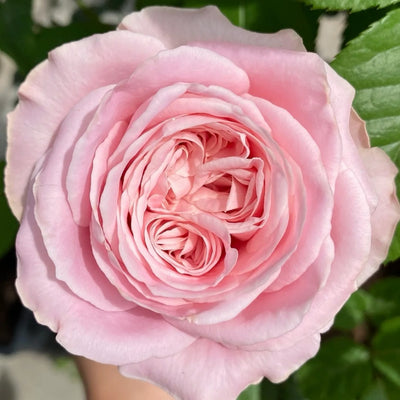
Olivia Rose Austin
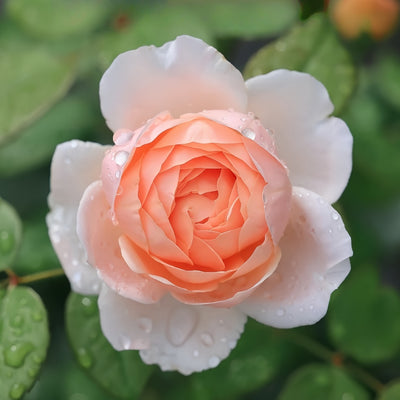
Named after David J. C. Austin's daughter, Olivia, this variety is appreciated for its beautiful soft pink blooms and strong garden performance.
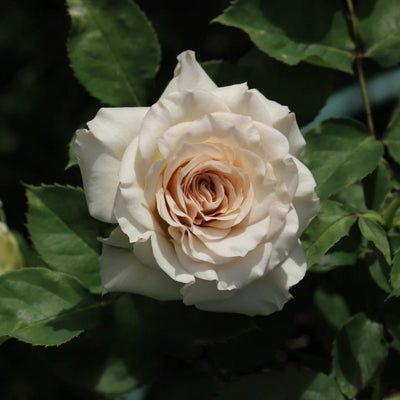
Claire Austin
Named after David J. C. Austin's sister, Claire Austin is a graceful English climbing rose known for its creamy white flowers and elegant appearance.
Each of these varieties reflects a different aspect of the Austin family's enduring commitment to rose beauty.
6. Three Generations, One Shared Passion
The story of David Austin Roses is not simply the story of one individual.
It is the story of a family whose dedication to roses has continued across generations.
David C. H. Austin established the original vision: to create roses that combined old-fashioned beauty with the desirable characteristics of modern breeding.
His son, David J. C. Austin, helped bring that vision to an international audience while preserving the family's commitment to quality and craftsmanship.
Today, the next generation of the Austin family continues to participate in the business, carrying forward a tradition built on patience, creativity, and respect for the natural world.
The legacy of David Austin Roses is therefore not confined to the past.
It continues to grow with every new season.
7. Why David Austin Roses Continue to Inspire Gardeners
What makes David Austin Roses so special?
For many gardeners, the answer lies in the harmony between beauty and emotion.
Their softly layered petals recall the elegance of historic gardens.
Their fragrances evoke memories, places, and moments that words can rarely capture.
Their ability to flower repeatedly brings renewed beauty to the garden throughout the growing season.
But perhaps their greatest appeal is the feeling they create.
A rose is never merely a flower.
It can become a memory of a loved one, a symbol of celebration, or a quiet reminder of the changing seasons.
This emotional connection is part of what makes the Austin family's contribution to horticulture so enduring.
8. Frequently Asked Questions About David Austin Roses
Who was David J. C. Austin?
David J. C. Austin (1958–2026) was the chairman of David Austin Roses and the son of its founder, David C. H. Austin. He joined the family business in 1990 and helped transform it into an internationally recognized rose-growing company.
When did David J. C. Austin pass away?
David J. C. Austin passed away in July 2026 at his home in Shropshire, England, after being diagnosed with Creutzfeldt-Jakob disease.
Who founded David Austin Roses?
David Austin Roses was founded by David Charles Henry Austin (1926–2018), the English rose breeder whose work helped establish the modern English Rose category.
What makes David Austin Roses different?
David Austin English Roses are especially known for combining romantic, old-fashioned flower forms with modern breeding characteristics such as repeat flowering, fragrance, and garden performance.
Are all David Austin Roses fragrant?
Fragrance is an important selection characteristic in the David Austin breeding program. However, fragrance strength and scent profiles vary among individual varieties.
Do David Austin Roses bloom repeatedly?
Many English Rose varieties are repeat-flowering, although not every variety has the same blooming habit. Flowering performance also depends on climate, growing conditions, and plant care.
What are some famous David Austin Rose varieties?
Well-known examples include Gertrude Jekyll, Graham Thomas, Constance Spry, Olivia Rose Austin, and Claire Austin.
9. A Final Tribute: Roses That Will Bloom Beyond a Lifetime
The passing of David J. C. Austin is a profound loss to the gardening world.
Yet the legacy he helped nurture will continue to live on.
It lives in the gardens of people who have never visited Shropshire.
It lives in the fragrance of an English Rose opening on a summer morning.
It lives in the joy of gardeners who discover their first beautifully formed rose bloom.
And it lives in the generations of rose lovers who will continue to appreciate the extraordinary beauty created through the Austin family's dedication.
A life may come to an end,
but the beauty it brings into the world
can continue to bloom forever.
In Loving Memory
David J. C. Austin
1958–2026
At RoseExplosion, we join rose enthusiasts around the world in honoring David J. C. Austin and the remarkable horticultural legacy of the Austin family.
Their dedication reminds us that gardening is not simply about growing flowers.
It is about creating beauty that can be shared, remembered, and passed from one generation to the next.
Rest in Peace, David J. C. Austin.
Your legacy will continue to bloom.
Editorial Note: This article is an independent tribute published by RoseExplosion in memory of David J. C. Austin. RoseExplosion is not affiliated with or endorsed by David Austin Roses.